How Landscape Maintenance Protects What Your Marin County Landscape Design Created
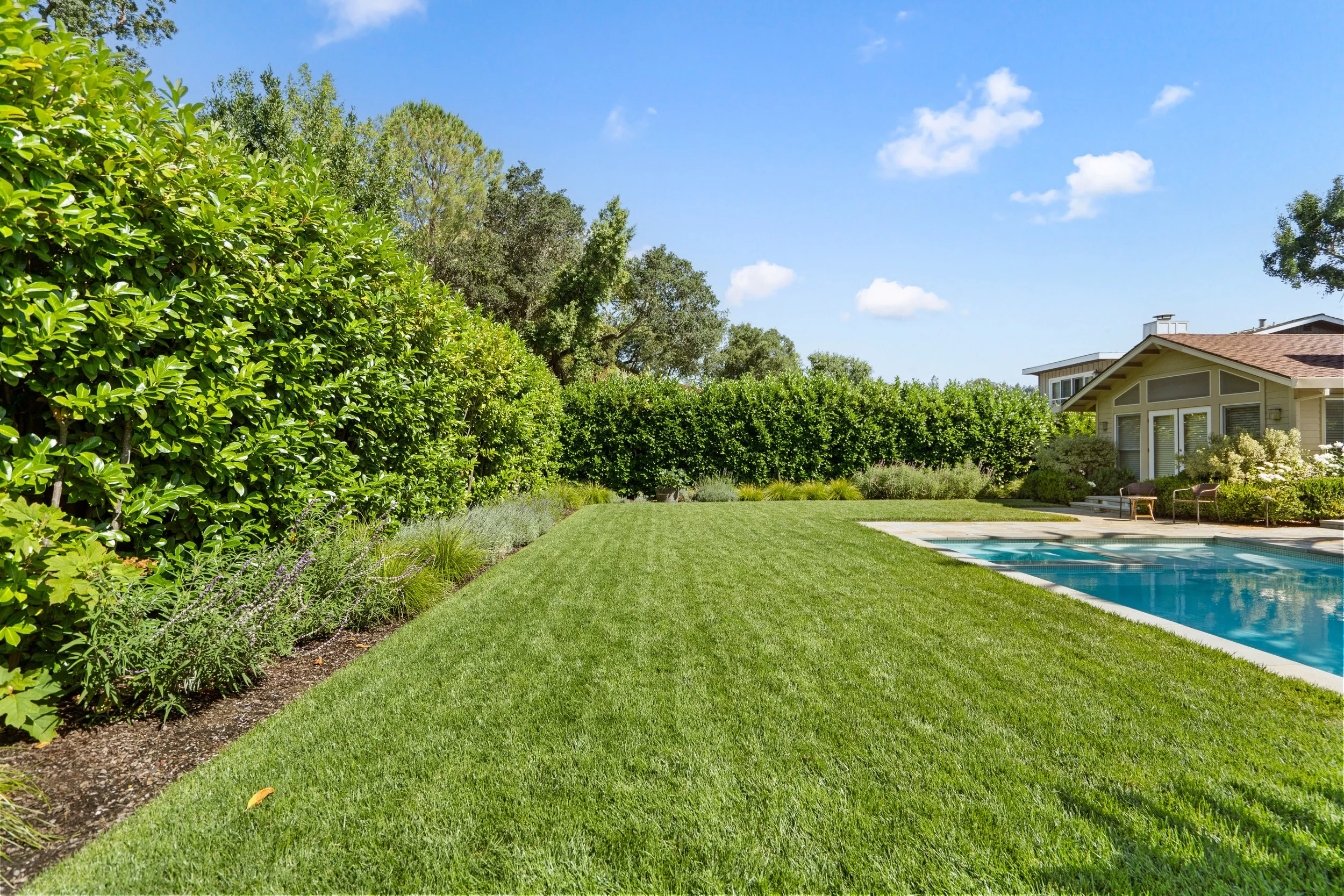
A landscape is not a finished product. It is a living system. The day the last plant goes in the ground is not the end of the project. It is the beginning of a relationship between the property and the people who care for it. And in Marin County, where the Mediterranean climate produces aggressive growth from March through June, dry stress from July through October, and a brief dormancy that barely qualifies as winter, that relationship needs to be active and informed.
Landscape maintenance is the service that keeps the garden moving in the right direction. Without it, the design erodes. Shrubs overgrow their spacing. Perennials decline from lack of division. Trees develop structural issues that pruning would have prevented. And the overall composition that looked intentional at installation starts to look neglected within a season or two.
Related: How a Patio in Sausalito & Mill Valley, CA, Can Transform Your Outdoor Space
What Landscape Maintenance Covers Beyond the Obvious
Most people associate landscape maintenance with mowing, blowing, and edging. Those tasks keep the property tidy. They do not keep it healthy. The maintenance that protects the design and supports the long term health of the garden goes deeper.
A comprehensive landscape maintenance program addresses:
Pruning on a schedule that respects the bloom cycle, the growth habit, and the mature form of each species rather than shearing everything to the same shape on the same day
Plant health monitoring that identifies disease, pest pressure, nutrient deficiency, and stress symptoms early enough to treat them before they spread or cause permanent damage
Irrigation management that adjusts the watering schedule to the season, the weather, and the actual moisture needs of the different zones in the landscape, especially critical during the dry months
Seasonal plantings and bed refreshes that maintain the color, the texture, and the visual interest that the design intended across the entire year
Soil and mulch management that preserves the organic layer, suppresses weed pressure, and supports the soil biology that drives long term plant health
These are horticultural tasks, not janitorial ones. They require knowledge of the species on the property, the conditions on the site, and the intent behind the original design. A maintenance team that understands all three preserves the landscape. One that does not gradually simplifies it.
Related: 2026 Outdoor Living Forecast: Patio & Fire Pit Design Trends Taking Hold in Sausalito, CA
Why Continuity Between Design and Maintenance Matters
The team that maintains the landscape should understand the design that created it. When the designer specified a Japanese maple in a specific location, the maintenance team needs to know that the tree was placed for its canopy form and fall color, not as a generic filler. When the irrigation was zoned for drought tolerant plantings on the south slope and moisture loving species along the north border, the maintenance team needs to manage each zone according to that intent.
The disconnect between the design team and the maintenance team is where landscapes lose their character. The maintenance becomes generic. The pruning flattens the natural forms. The irrigation runs uniformly. And the garden that was designed to evolve instead begins to regress.
The Garden That Improves Every Year
The best maintained landscapes in Novato, CA, and across Marin County do not just hold their ground. They improve. The plantings mature and fill in. The trees develop structure. The perennials spread into natural drifts. And the garden, five years after installation, looks better than it did on day one. That trajectory is not automatic. It is the result of a maintenance program that knows the difference between keeping up and growing forward.